

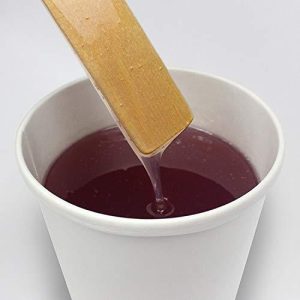
Polyester resin is the most popular resin used in the pool industry. This is mainly because of the lower cost and the ease of use. Most polyester resins cure with a surface tack which allows for better adhesion between layers. It gets rid of the need to sand between layers. This is a huge upside for large projects that will require several layers of fiberglass.
There are several types and grades of polyester resin. DCPD Polyester resin is the most economical. Ortho is better for repairs because of its adhesion characteristics. ISO is a superior grade resin that has a higher heat distortion, better tensile strength, and has more corrosion resistance than ortho grade.
Another upside to polyester resin besides the cost and ease of use is that the cure time can be adjusted by how much MEKP catalyst is used. More or less MEKP can be added depending on how long of a pot life and working time is desired. With that being said, you do not want to add too much or too little MEKP to the resin.
Polyester resin is compatible with chopped strand mat. This is significant because epoxy resin is generally not compatible with chopped strand mat. There are some specialty chopped strand mats out there that can be compatible with epoxy but they are harder to find. Polyester resin has styrene in it that is needed to break up the chopped strand mat binder.
Now to the downsides of polyester resin. Polyester resin has a strong odor. This odor comes from the styrene in it. It is very important to work in a well-ventilated area when using polyester resin. It is also recommended to wear a mask, safety goggles and safety clothing when working with any resin.
Another downside is that polyester resin has a lower moisture resistance than epoxy. Polyester is more water permeable which means that over time a polyester laminate will allow more water to pass through it. Polyester also has more shrinkage than epoxy. The larger the part, the more shrinkage there will be.
Polyester resin is more prone to microcracking than epoxy resin. This can be avoided somewhat by using both mat and heavier duty fiberglass together with the resin. Polyester resin also has a much lower bonding strength than epoxy. So, if bonding strength is an important factor for the project, epoxy resin may need to be considered.
Back to another upside, polyester is compatible with gel coat. If gel coat is added as the final layer in either a new construction or a repair, you will want to use polyester resin. This is because gel coats are polyester based and will not adhere to epoxy resin.
To get a final tack free surface, wax can be added to the last layer of polyester resin. A finishing resin or waxed gelcoat can also be used to create a hard tack free finish.
If polyester is used for a repair, fillers can be added. This will thicken the resin or create a putty. Epoxy resin can also be used with fillers.